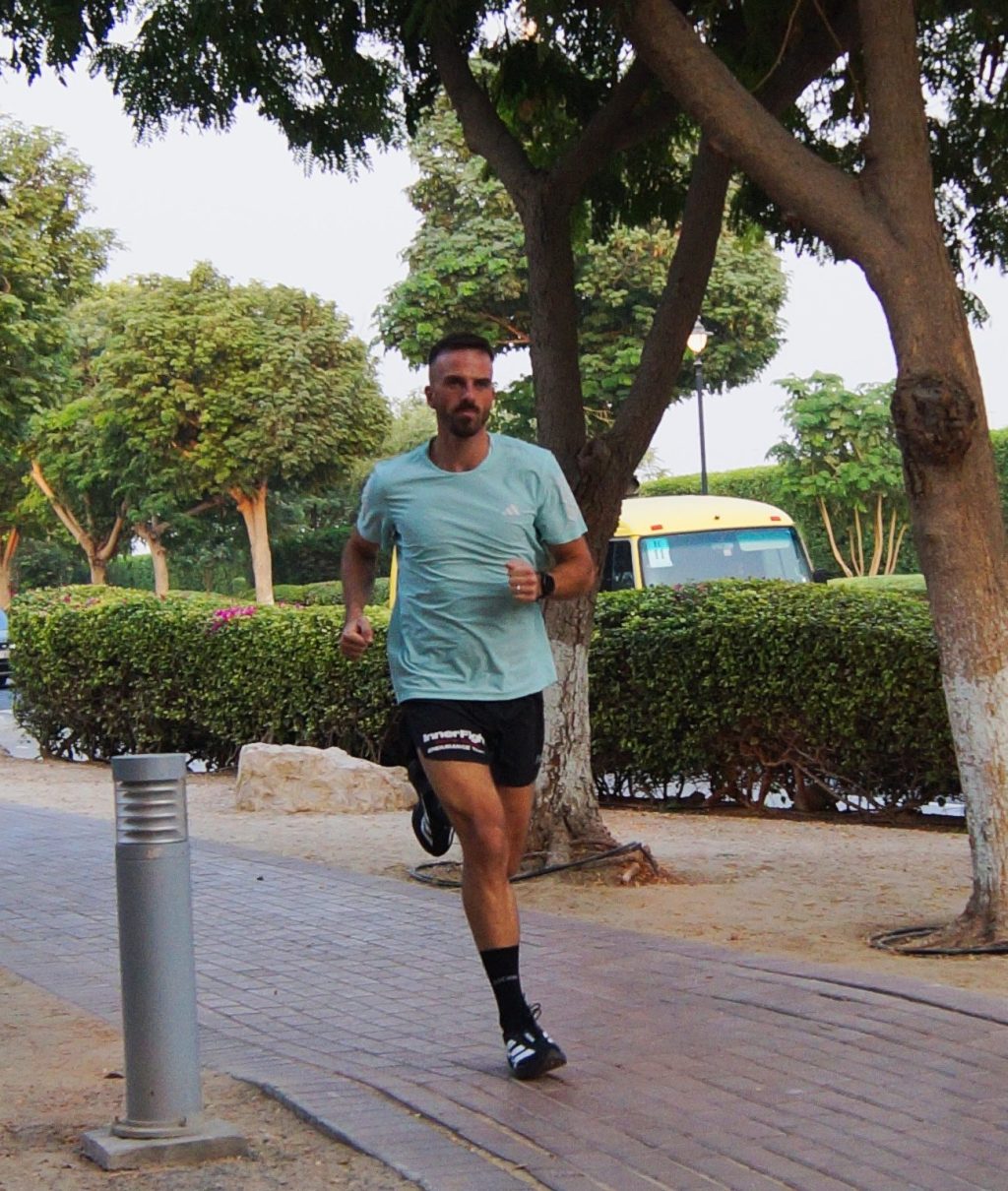
In running, we are often conditioned to believe that progress only comes from doing more.
More miles.
More sessions.
More races.
More consistency.
But anyone who has trained seriously for long enough knows this is not the full picture.
Sometimes, the smartest thing a runner can do is take a small step back. Not to lose fitness, but to create space to move forward with more clarity, purpose, and long term progress.
Why Runners Struggle to Step Back
Running is simple. That is part of its appeal.
You lace up, head out the door, and get the work done. Over time, that consistency builds fitness, confidence, and identity. The problem is that this simplicity can make it hard to stop.
There is always another race coming up.
Another training block to roll into.
Another reason to just keep going.
For many runners, especially those balancing work, family, and life pressures, stepping back can feel like quitting. In reality, it is often the opposite.
Training Stress Only Works If You Recover From It
Training creates stress. Recovery creates adaptation.
Every hard session places a demand on the body. Muscular, metabolic, hormonal, and neurological. The body does not get fitter during the session itself. It gets fitter in the hours and days that follow, when it is given enough space to adapt.
When training stress builds without enough recovery, a few things start to happen:
Fatigue accumulates
Performance plateaus
Motivation drops
Injury risk increases
At that point, pushing harder rarely fixes the problem.
Stepping back, even briefly, allows the body to absorb the work you have already done and become responsive to training again.
Stepping Back Does Not Mean Stopping
This is where many runners get it wrong.
Taking a step back does not have to mean doing nothing. In fact, for most runners, a managed reduction is far more effective than a complete stop.
This might look like:
Reducing overall weekly volume
Pulling back on intensity
Replacing hard sessions with easy, relaxed runs
Removing pressure around pace and performance
The goal is not to hold peak fitness all year round.
The goal is to build sustainable progress over time.
Why This Matters Long Term
Running progress is not linear.
There are phases where you build, phases where you maintain, and phases where you reset. Ignoring the reset phases is often what leads runners into cycles of stagnation, burnout, or recurring injuries.
A short, intentional step back can:
Refresh the body
Restore motivation
Improve how your body responds to future training
Set you up to train better, not just harder
This is especially important in warmer climates like Dubai, where managing load, recovery, and heat stress plays a big role in long term development.
The Mental Side of Stepping Back
Training is not just physically demanding. It is mentally taxing too.
When running starts to feel like a chore rather than a choice, that is often a sign the system needs a reset. Stepping back slightly can help you reconnect with why you started running in the first place.
It allows space to:
Enjoy easy movement again
Remove constant performance pressure
Focus on sleep, nutrition, and recovery habits
Build excitement for the next phase
Missing training a little is not a weakness. It is often the spark that reignites progress.
A Step Back With Purpose
The key difference between productive and unproductive breaks is intent.
Random stops lead to frustration.
Planned pull backs lead to progression.
When stepping back is done with purpose and aligned to your goals, your experience level, and your life, it becomes a powerful tool rather than a setback.
Sometimes, taking a few steps back is exactly what allows you to run forward better.
Need Help Knowing When to Step Back?
One of the biggest challenges for runners is knowing when to push and when to ease off. That is where structured coaching can make the difference between guessing and progressing.
If you are unsure whether now is a time to build, hold, or reset, feel free to reach out. A small adjustment at the right time can completely change the direction of your training.
 Daniel Bagley | Running Coach
Leave a comment